One of your best accounts just cancelled.
No warning. Green health score. Paid every invoice on time. Then, out of nowhere, gone.
So you send the exit survey. One box comes back ticked: “Too expensive.”
You log it, sigh, and move on.
Here’s the problem: that answer is a lie.
Not a cruel one. Customers aren’t trying to fool you. “Too expensive” is just the easiest thing to say on the way out. It’s polite. It ends the conversation without a fight.
And it tells you nothing you can actually use.
Because price is almost never why customers churn. It’s the story they tell at the door, not the reason they walked to it.
And churn is not a rounding error. For most B2B SaaS it runs at a few percent a year by Vena’s 2025 benchmarks, and it compounds every month you keep misreading it.
So let’s go find the real one. This is how to understand why your customers leave: who to ask, what to watch, and the one question most teams never think to run.

Price is the goodbye, not the reason
Ask a churned customer why they left and most say the same thing. It cost too much.
Dig underneath and the real story is almost always different. A new manager arrived with a different favourite tool. A support ticket sat untouched for eleven days. The one feature that made it all worth it quietly broke, and nobody flagged it.
None of that fits in a dropdown. So “price” takes the blame.
One study of real churn interviews said it best: the exit survey keeps telling you it was the price, while an actual conversation tells you what it was really about. The gap between those two answers is where your whole retention strategy lives.
Here’s the tell: things people can’t live without don’t get cancelled over a few dollars.
If price is the objection, value is the problem.
“Too expensive” almost always means “I never got enough out of this to justify it.” Nobody cancels the tool they rely on every day over the invoice. Treat every price objection as a value objection, then go find the value that went missing.
So how do you find the real reason? You ask.
Spend an afternoon in any customer success community and one piece of advice comes up more than any other. It isn’t a tool. It isn’t a dashboard.
It’s two words. Ask them.
Obvious, right? Almost nobody does it. Reaching out to someone who just fired you feels awful, so teams hide behind the survey and call it a day.
Do the uncomfortable thing anyway. Reach out. Ask.
Not with a form. With a real message, from a real person, framed as curiosity instead of a rescue mission. Something like this:
“Hi [name], I saw you closed your account, and I’m not writing to win you back. I just want to understand where we let you down so we can do better. What made you decide to leave?”
That’s the whole thing. No pitch. No discount. No “is there anything we can do to change your mind?”
The moment you try to save them, they turn polite again. The moment you only try to learn, they turn honest. Most people are happy to tell you exactly what broke, as long as you’re not selling.
And ask like a researcher, not a rep. “Was it the price?” earns you a yes and a dead end. “Walk me through the month before you cancelled” earns you the truth.
It’s the same instinct behind any good customer interview. The Mom Test rules for talking to customers work just as well on churn: ask what happened, never how they felt.
Open with “I want to understand where we fell short,” never “what can we do to keep you?” The first gets you the real story. The second gets you a polite brush-off. Ask what they were trying to do, when it stopped working, and what they use now.
Stop waiting for the autopsy
Here’s the harder truth, the one the best CS people will tell you: by the time someone cancels, it’s too late to learn anything you can act on.
The exit interview is an autopsy. Useful, sure. But the patient is already gone.
The real work happens earlier. Weeks earlier. While you can still change the ending.
Because churn is rarely a bolt from the blue. It’s a slow fade you can watch in real time. Logins drop off. A core feature goes cold. The champion stops replying. A ticket goes quiet. The signals are all there, if you’re actually looking.

One pattern shows up over and over: the customers who never get properly hooked in the first 60 days are the ones who leave. Weak early usage is the loudest churn signal you have, and it starts screaming months before the renewal date.
So watch the opening weeks like a hawk. Track logins, feature adoption, support volume, and how fast you reply. When they slip, move, while the account is still yours to save. Better yet, get ahead of the trigger before the customer acts on it.
Most churn is set in motion long before anyone clicks cancel. If a new customer hasn’t built real, repeated usage inside two months, they’re already at risk, whatever the renewal date says. The opening weeks are the whole ballgame.
One churn is a story. Ten is a pattern.
A single lost account is an anecdote. You can always explain it away.
Ten of them, lined up side by side, is a diagnosis.
Pull your last handful of cancellations and lay their data next to each other: usage, adoption, tickets, and every time your team did or didn’t reach out. You don’t need Gainsight or a data team for this. A spreadsheet and one honest afternoon will do.
Then hunt for the overlap. Maybe they all went quiet in month two, or all filed a ticket that rotted for a week, or all lost the person who championed you inside the company.
That overlap isn’t a coincidence. It’s your roadmap.
Before you blame the product, check the billing
Here’s the question almost nobody asks, and it might be the most valuable one on this page.
How much of your churn is involuntary?
Because a big slice of it was never a decision at all. A card expired. A payment silently failed. A bank declined a charge nobody noticed.
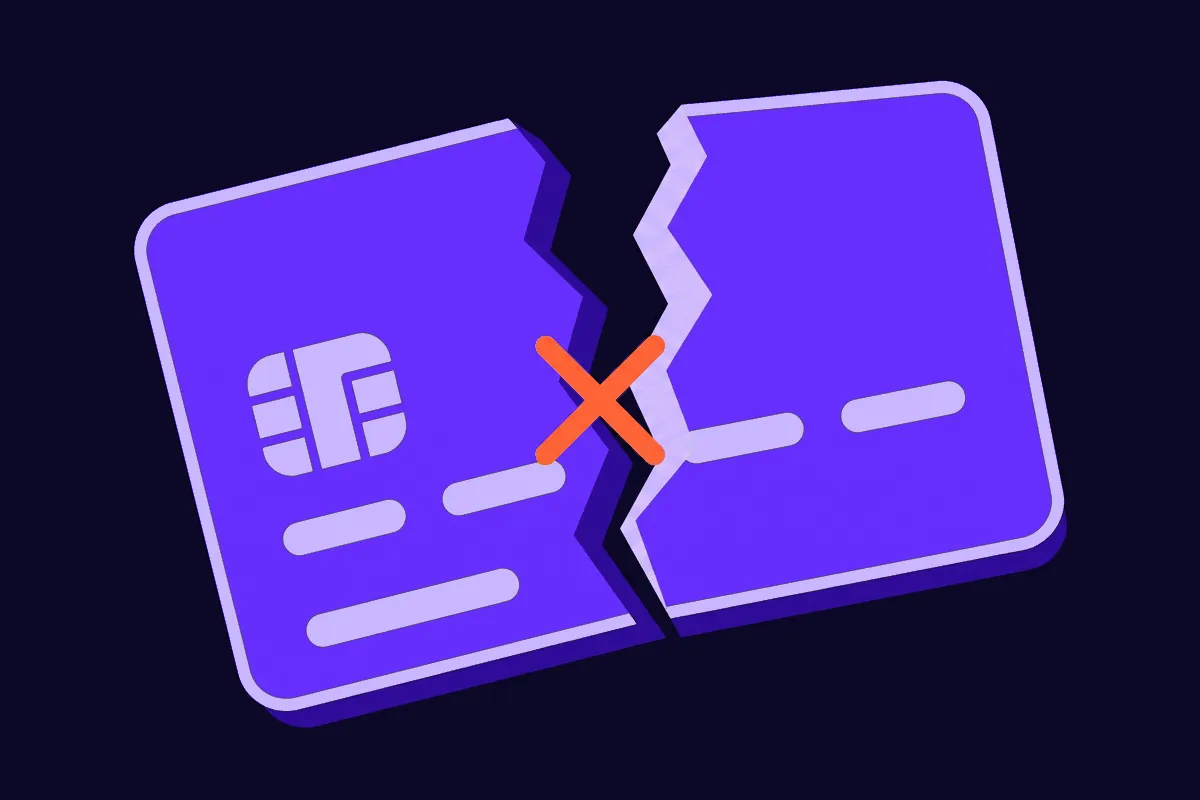
Recurly’s data puts involuntary churn at roughly 20 to 40% of the total, and most of it is recoverable with a few smart retries and a reminder email.
Sit with that number. As much as a third of your “churn” could be customers who still want you, never meant to leave, and have no idea they’re gone.
That’s not a product problem. That’s a plumbing problem. And it’s the cheapest retention win you will ever find.
If you’ve never split voluntary from involuntary churn, do it this week. You may find a third of your losses are failed payments, not real defections. Fixing that is a billing job, not a roadmap rewrite, and it wins back revenue you’d already written off.
What churned customers never put in a survey
Some reasons never reach you, because customers don’t think to say them.
The champion who hired you left, and the new one already had a favourite. The company ran layoffs and your line item didn’t survive. They drifted off the one feature that made everything click, and no one caught it.
None of that fits in a dropdown. It only surfaces when a real person asks a real question, then goes quiet long enough to hear the answer.
Which is exactly why the conversation beats the checkbox, every single time.
There’s just one problem with “ask them all.” It doesn’t scale. Reaching out to every churned and at-risk account, one real conversation at a time, is a full-time job you don’t have.
That’s the gap hollie, holito’s AI agent, closes. She has a genuine conversation with each customer on their own channel, asks the follow-up a survey never could, and hands you back the real reason they left, ranked, in their own words.
Thirty honest exit conversations in a week, not a quarter. See how holito does it.
Frequently asked questions
What is the best way to find out why customers churn?
Talk to the customers who left. A short, curious message a week or two after they cancel gets you the real reason far better than any survey box. Then line those conversations up against your usage and support data to confirm the pattern across accounts.
Is an exit survey or an exit interview better?
A survey is fast but shallow, and it almost always returns “price.” An interview, even a five-minute call or an honest email thread, surfaces the real story: the onboarding that never clicked, the missing feature, the champion who left. Use the survey to spot trends, the conversation to understand them.
How much of customer churn is involuntary?
Roughly 20 to 40% of subscription churn is involuntary, caused by failed payments rather than a decision to leave. Most of it is recoverable with retry logic and payment reminders, which makes it the fastest churn you can fix.
When should you contact a churned customer?
Within one to two weeks of the cancellation. Late enough that the frustration has cooled, early enough that they still remember exactly what happened. Reach out to learn, never to sell.
Stop trusting the box that says “price”
The exit survey will keep lying to you. It’s not built to tell the truth.
Ask them. Watch the first 60 days. Check the billing. Then fix what’s actually breaking.
The Bottom Line
The reason on the exit survey is almost never the real one. Talk to the customers who left like a researcher, watch the early-usage signals that flag risk weeks ahead, and separate the failed payments from the real goodbyes.
hollie can have those conversations for you and bring back the honest reason, ranked, so you fix what’s actually driving customers away.