You’ve got the AI tab open right now. It writes your follow-ups. It cleans up your call notes. It tidies the CRM you hate touching.
And your close rate looks exactly like it did last quarter.
Here’s the honest version of how to use AI in sales. Not the vendor demo. What real reps say saves them time, and what quietly doesn’t.
You’ll get the real list of jobs AI does well today, the one it’s secretly bad at, and the highest-impact way to point it that almost nobody tries.
What are salespeople actually using AI for?
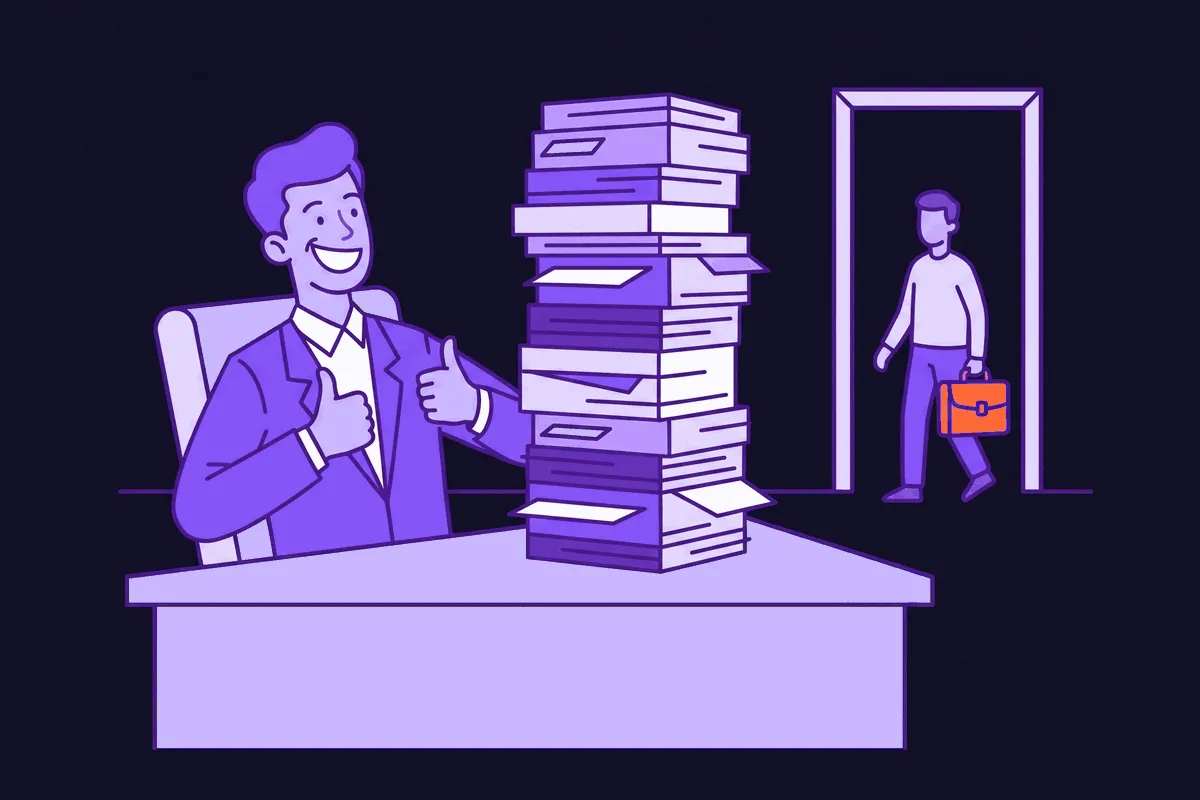
Salespeople mostly use AI for the admin around selling: transcribing calls into the CRM, drafting follow-up emails, researching accounts before a call, practicing objections, and keeping pipeline notes tidy. It saves hours of busywork. What it rarely does yet is the selling itself: reading the buyer and understanding why a deal really moves.
This isn’t a fringe habit. LinkedIn’s 2025 research found 56% of sales professionals now use AI every day, and those who do are twice as likely to beat their targets.
But look at where the day actually goes.
Bain’s 2025 report found sellers spend only about 25% of their time actually selling. The rest is admin. Which is exactly the part AI reached for first.
AI came for the busywork. That’s the easy 75%.
The real jobs AI does well in sales today
None of this is theory. These are the uses real reps keep coming back to, because they work today.
- Kill the note-taking tax. A recorder writes the call up and drops it in your CRM, so you can look the buyer in the eye instead of typing through the whole call.
- Draft the follow-up in your voice. Feed it the transcript, get back a tight recap with the next step already in it. You edit, you don’t write from a blank page.
- Prep a cold account in five minutes. Point it at the company and the person, get the likely pain and three sharp questions before you dial.
- Rehearse the objection you always fumble. Have it play a skeptical CFO and push back hard, so you hear your weak answer before the real buyer does.
- Keep the pipeline honest. Let it flag deals with no next step and stale notes, so your forecast stops lying to you.
Adoption is climbing fast because these wins are real. HubSpot’s 2024 report found AI use among reps jumped from 24% to 43% in a single year.
Let AI take the notes and the recap. Never let it take the conversation. The moment a buyer feels handled by a bot, the deal goes cold.
Every one of these hands you time back. Hold that thought.
Notice what all of these have in common
Read that list again.
Notes. Emails. Research. Practice. Hygiene.
Every single one is admin. Useful admin, but admin all the same.
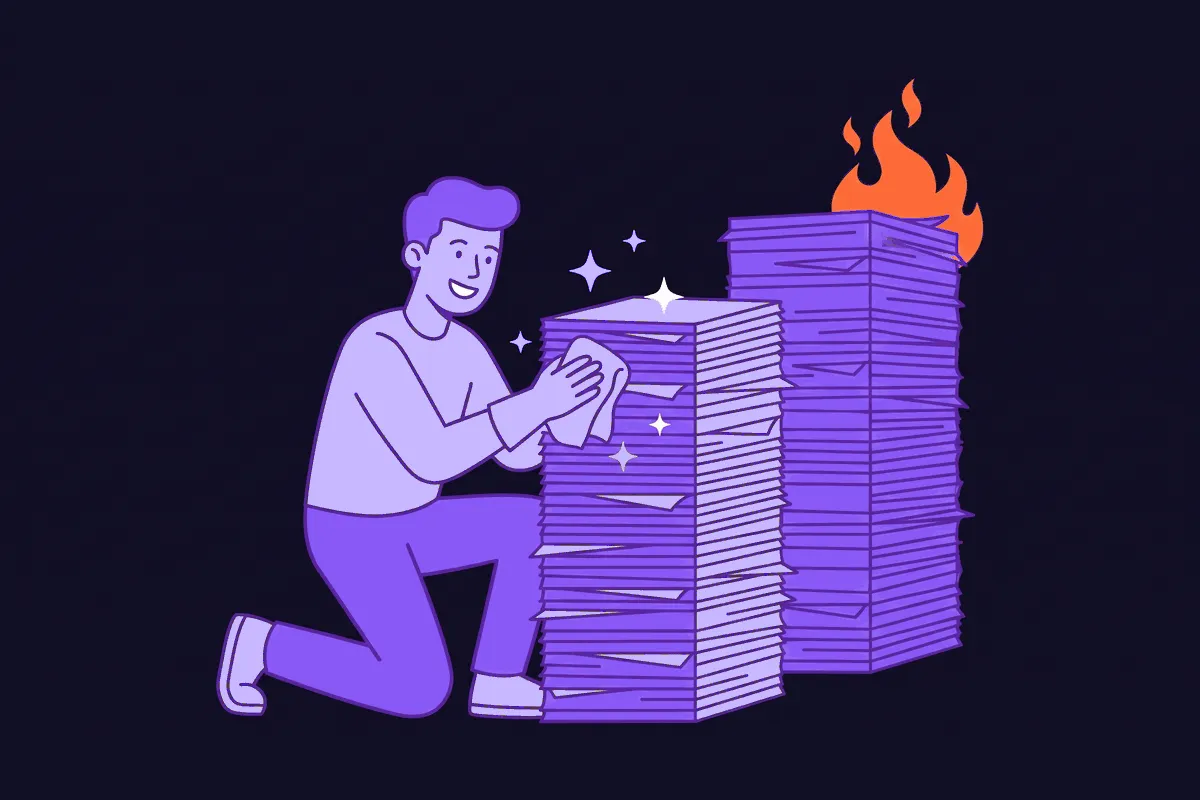
AI is fixing your paperwork. It isn’t fixing your pipeline.
That gap matters more than it sounds. If reps only spend a quarter of the day selling, and you hand that quarter more free time, most of it leaks straight back into more admin: more tabs, more tidy notes nobody reads.
The tool gets faster. The number stays flat. And there’s a reason why.
The one job AI is quietly bad at
Here’s the part the demos skip:
AI is brilliant at capturing a conversation. It’s still weak at having one.
Reading a hesitation. Asking the follow-up that wasn’t on the script. Hearing the real objection hiding under the polite one. That’s the actual job, and a summary tool never touches it.
So the easy conclusion is that the conversation stays human, full stop. Case closed.
But that misses something that changed recently.
There’s now one kind of conversation AI runs genuinely well: the structured one, at scale, where the goal is honest answers instead of charm.
AI can’t close your deal. It can find out why the last ten didn’t.
Point AI at the customer, not the paperwork
Stop using AI only to summarize the calls you already had.
Start using it to have the ones you never make time for.
Every closed-lost deal has a reason, and it’s rarely the one in the CRM. “Went with a competitor.” “Timing.” “No budget.” Those are the polite version. The real reason sits one honest follow-up question deeper, and you’re too slammed to go chase forty of them.
That’s the conversation worth automating.
This is where holito fits. hollie goes and has those conversations for you: win-loss on the deals you lost, discovery with the buyers you never called back, the why behind who bought and who walked. She asks the follow-up, listens, and brings back the answers ranked by what actually moved the deal.
The reason in your CRM is wrong the same way the reason on a churn exit survey is, and you can learn to find the real one your customers won’t say out loud. It’s the same skill AI can now run at scale: see when AI-moderated interviews actually work.
Point AI at the paperwork and you save an hour. Point it at the customer and you change the number. Same tools. Completely different return.
The reps already doing this see it in the results. In ZoomInfo’s 2025 study, reps using AI every week reported 81% shorter deal cycles and 80% higher win rates. The gap isn’t the tool. It’s what they aimed it at.
How to use AI in sales this week
You don’t need a new stack. You need to aim the one you already have.
- Automate the note tax today. Turn on a recorder that writes to your CRM and reclaim the typing.
- Template one follow-up. Build a prompt that turns any transcript into a recap with a next step, then reuse it every call.
- Point it at the right buyer first. Before you scale outreach, define who you’re actually selling to, so the research and drafts land on the right people.
- Pick one question worth money. “Why did we lose our last ten deals?” beats any prompt hack.
- Go get the answers. Have those conversations, by hand or with hollie, then feed what you learn back into how you sell.
Do the first two today. They buy back the hours. Spend those hours on the last three, because that’s where the quarter actually turns.
Stop summarizing. Start asking.
Frequently asked questions
Will AI replace salespeople?
No. AI replaces the admin around selling, not the selling. It takes the notes, drafts the recap, and preps the account. Reading a buyer, building trust, and closing still need a human in the room. The reps who win pair the two, and let AI clear the busywork so they can sell more.
What is the best AI tool for sales?
There isn’t a single one. Use a call recorder that syncs to your CRM for notes, a general assistant for drafts and research, and a customer-conversation tool like holito for win-loss and discovery. Match the tool to the job instead of chasing one app that claims to do everything.
Is AI in sales actually worth it?
For the busywork, yes, and fast: it hands back hours you burn on notes and admin. The bigger return comes from pointing it at the customer, not the paperwork. Reps who use AI every week report shorter deal cycles and higher win rates, but only when they aim it at learning why deals move.

The Bottom Line
Most reps use AI to type less. The winners use it to learn more. Automate the notes and follow-ups, then aim the same tools at the question that decides your quarter: why your buyers really buy, and why the rest walk. hollie can have that conversation and bring back the why, ranked. Try holito.