Six people signed off on the launch headline.
The VP loved it. Sales loved it. The exec who never opens a doc left a fire emoji in the comments.
Nobody in that room was the buyer.
Launch day comes. The headline goes live. The reply rate on the announcement is exactly what it always is. The demo requests don’t move.
Somewhere out there, the person you actually needed to convince read six words, didn’t get it, and kept scrolling.
Here’s the part that stings: everyone in that meeting was smart, senior, and completely unqualified to judge whether the message would land. They know the product too well to read it cold.
How do you test messaging before launch?
To test messaging before launch, put the exact words in front of five to ten real buyers who fit your ICP, not your team.
Watch where they hesitate, misread, or go quiet. Ask what the message means in their own words instead of whether they like it. Run it in days over short calls, not a multi-week panel, then rewrite around the language they used.
That’s the whole method. Everything below is how you run it without blowing your launch date.
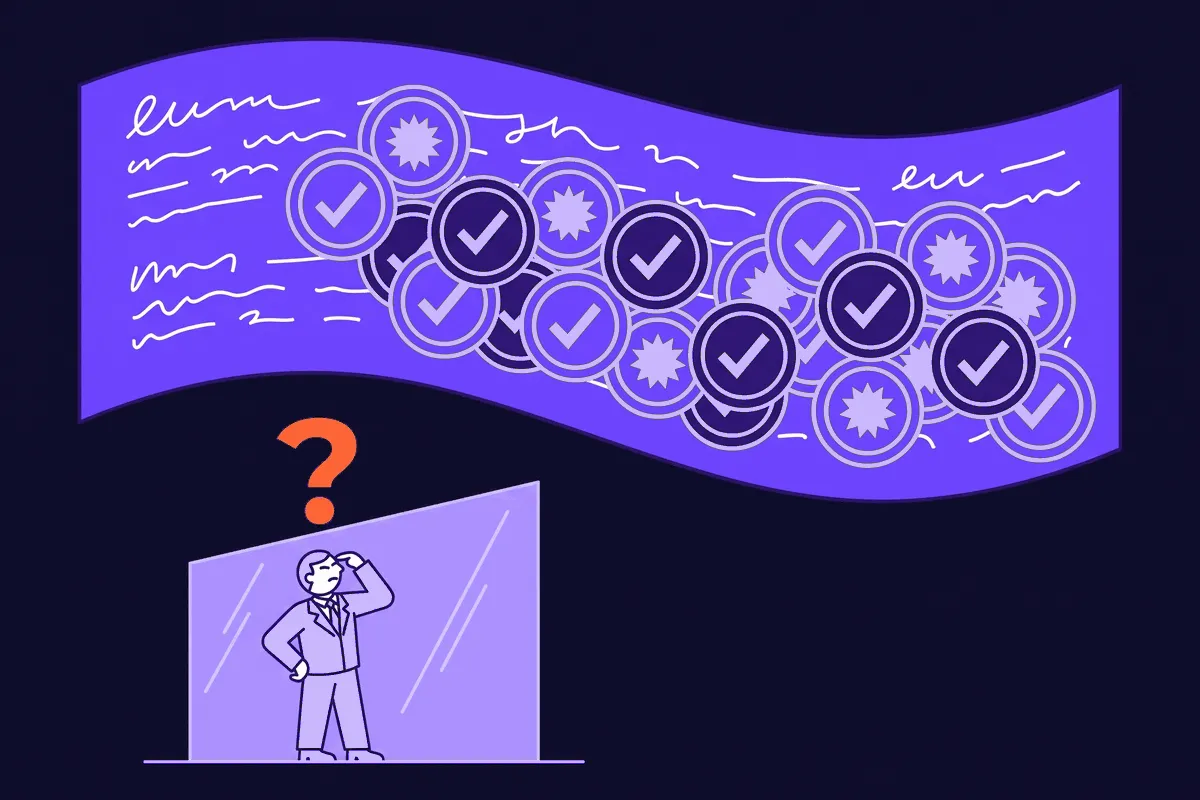
Why the room that approves your message is the wrong room
Every launch review looks the same. Product marketing presents the deck. The room fights about one verb for twenty minutes, then signs off because the deadline is Thursday.
That process answers exactly one question: does this message survive a room full of people who already understand the product?
It never answers the three questions that actually decide the launch:
- Will it land the first time someone reads it cold? Not the fifth time, after two rounds of internal edits taught everyone what it means.
- Will the buyer understand what you sell inside ten seconds? No deck, no context, no one standing next to them to explain the category.
- Will the launch create clarity, or hand a busy buyer one more thing to decode? They’re already juggling six vendors and a full inbox.
Nobody in the approval meeting can answer those. They’re too close to the product for the copy to ever sound confusing to them.
Internal consensus measures agreement, not comprehension.
So why do most launches still get tested that way, if at all?
Six stakeholders agreeing your headline is clear tells you the headline survived a meeting. It tells you nothing about whether a stranger, cold, with no context, would understand it in ten seconds.
Why panel testing doesn’t fit a 2026 launch calendar
The traditional fix has a name: send the message to a panel of vetted respondents who match your ICP, and wait for the scored feedback to come back. It genuinely beats guessing, and it’s why panel-based message testing vendors like Wynter built a real category around B2B marketers who got burned by internal-only reviews.
But here’s the catch nobody puts in the case study:
A single concept test, the kind of project a panel study is built on, runs $43,000 to $79,000 and takes two to three weeks from kickoff to a finished report, according to a 2026 breakdown of real market research pricing from MX8 Labs.
A proper qualitative round of 15 to 20 interviews adds another $29,000 to $58,500 on top of that.
Your launch date doesn’t care about any of it.
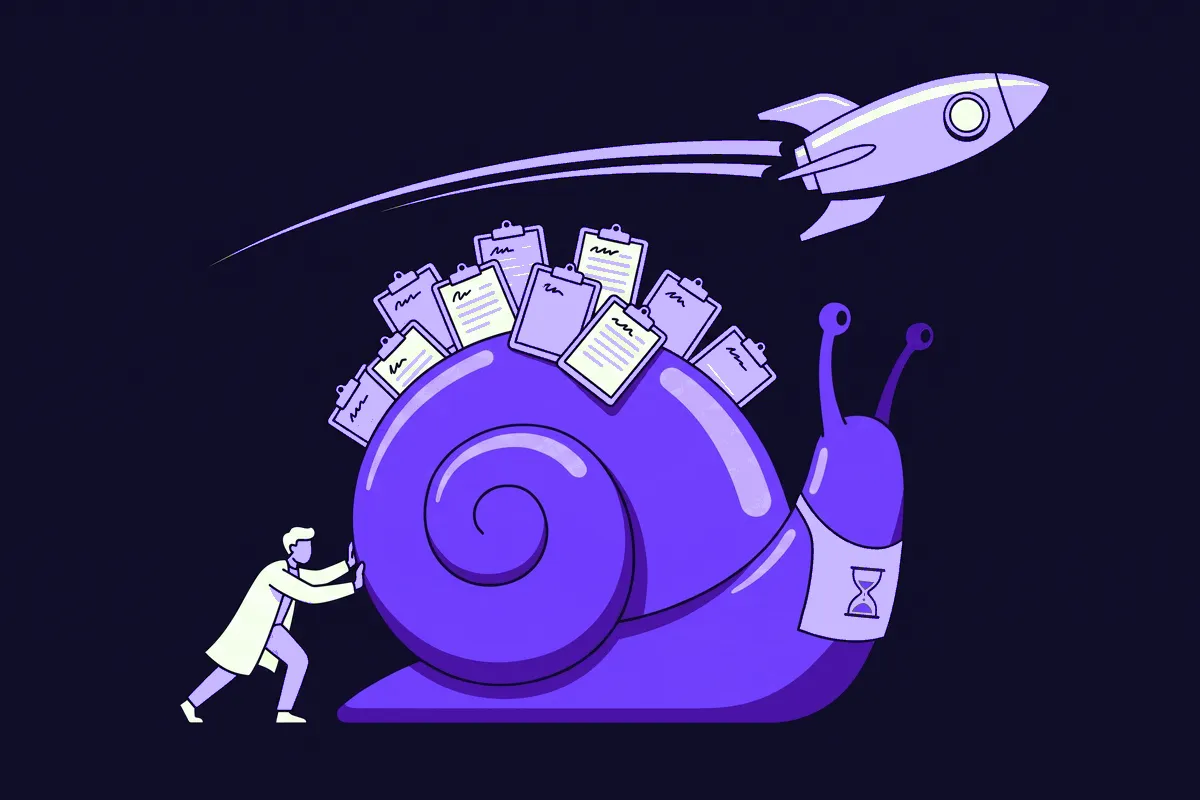
AI now drafts your launch copy in an afternoon. It hasn’t done a thing for the two to three weeks a panel still needs to tell you whether that copy actually works. The bottleneck moved from writing the message to proving it, and most teams haven’t noticed.
And a panel is a one-shot test. Score comes back low on the headline, you don’t get a free re-run. You pay again, and wait again, while the launch date holds still for no one.
Three weeks of panel turnaround eats most of a launch runway that was already tight before you booked the study. You need an answer fast enough to still act on it, not one that lands after the copy’s frozen.
CB Insights found 35% of startups fail building something the market never needed, and shipping a message nobody understands is the same mistake with a shorter fuse. You don’t get a second Tuesday to relaunch a headline.
Run the real test: put the message in front of buyers who aren’t in the building
You don’t need a panel to get out of the echo chamber. You need five to ten people who actually fit your ICP and thirty minutes of their time, or an async link they can answer on their own.
The move that ruins most homegrown message tests: asking “do you like this?”
That’s a compliment generator, not a test. People are polite. They’ll tell you the headline is great and mean absolutely nothing by it.
Ask this instead:
- “What do you think this does, in your own words?” If they paraphrase it wrong, the copy is wrong, not them.
- “What’s the first thing that confused you?” Silence here means they didn’t read it closely enough to get confused, which is its own answer.
- “What would you call this problem, if a coworker asked you about it?” Steal that exact phrase. It beats anything your team wrote.
This is the part panel-based testing never quite gets to: it’s not just scoring the message you already wrote.
It’s testing your possible angles against the actual words your buyers use for their own problem, then building the launch copy out of evidence instead of a wordsmithing session.
The room that approved your headline can’t do that. The buyer who lives the problem can.
What to listen for: the signal that tells you the message is wrong
Five conversations produce more than five opinions. They produce a pattern, if you’re listening for the right thing.
Clarity is the first flag. If two or more buyers can’t paraphrase your headline back to you correctly, the message fails, no matter how much your team loves it.
Nielsen Norman Group’s research found only 16% of people read a page word for word; the other 79% scan. A message that needs a second read to land is already losing most of its audience before it gets a fair shot.
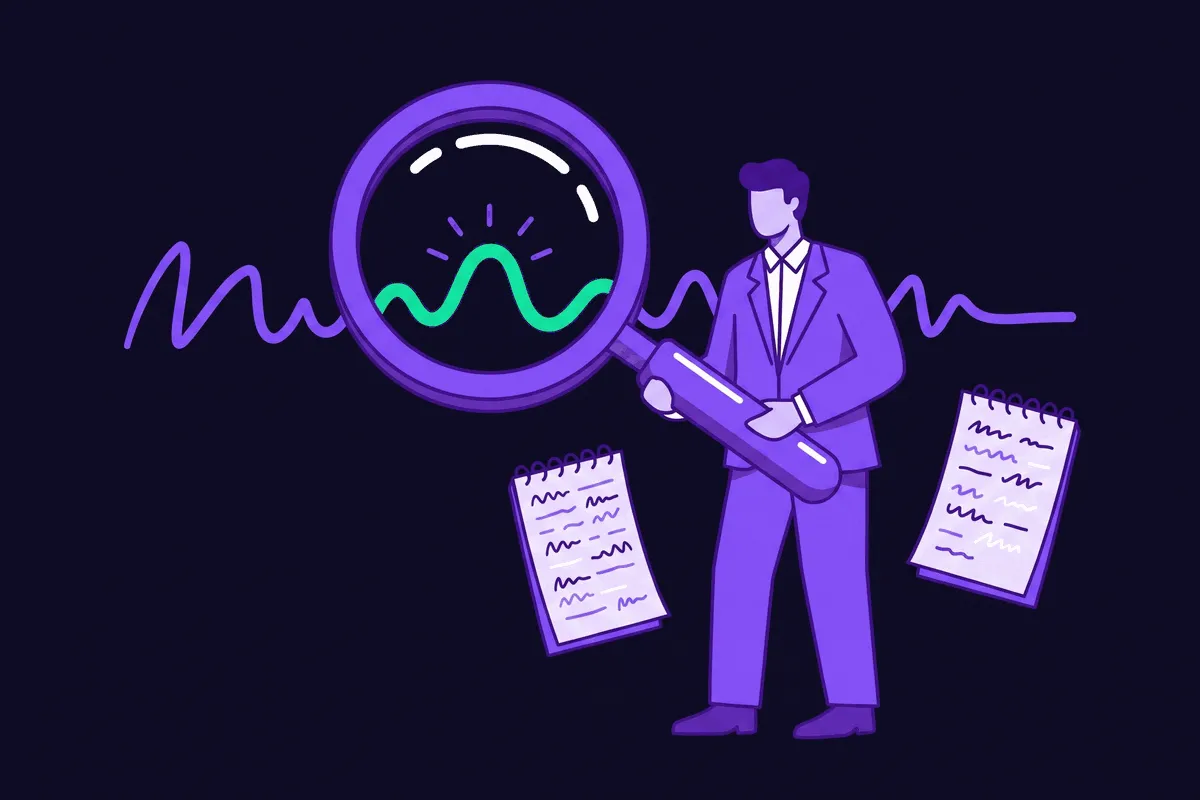
Vocabulary is the second flag. Watch for the word a buyer keeps reaching for that never appears anywhere in your draft. That word is worth more than your entire internal brainstorm, because it’s already proven it lives in their head.
Hesitation is the third. The pause before they answer, the “I think it means…” with a question mark in their voice, the re-read of the same line twice. None of that shows up in a written survey score. All of it shows up on a call.
One confused buyer might just be having a bad day. Three out of eight describing the same confusion, unprompted, in different words, is a pattern you rewrite around, not a coincidence you explain away.
Turn the conversations into the message that ships
Now comes the part most teams skip: actually rewriting around what you heard, instead of filing it away as “interesting feedback” and shipping the original draft anyway.
Pull the phrases buyers used unprompted and rank them by how often they came up. The phrase four out of eight people reached for on their own beats the clever line your best copywriter wrote at midnight, every time.
Rewrite the line that caused the most hesitation first. That’s the one costing you comprehension at scale, once this goes out to thousands of readers instead of eight.
Running eight to ten of these conversations yourself, on top of writing the launch, is genuinely hard to fit into a launch week.
That gap is where hollie earns her keep: she goes and has these conversations with your actual buyers, at the pace a panel promises without the panel price tag or the three-week wait, and brings the exact phrases back ranked by how often they came up.
Try holito the next time a launch date won’t wait for a research agency’s calendar.
For the discipline of asking questions that get the truth instead of a compliment, see our guide to asking questions that surface real signal instead of false positives.
And if you want the demand-side version of this same idea before you’ve written a word of copy, the fake door method tests whether people want the thing at all.
Testing the perfect headline on the wrong audience still ships the wrong message. Pressure-test against your actual buyer, not whoever answered fastest, and read more on when AI-moderated conversations beat a human interview and when they don’t.
Frequently asked questions
How many people do I need to test messaging before launch?
Five to ten buyers who genuinely match your ICP is enough to see a pattern. You’re not chasing statistical significance, you’re listening for the same confusion or the same phrase showing up unprompted across several conversations. Three people independently misreading the same line is a signal worth acting on.
Is A/B testing enough to validate messaging before launch?
No, not on its own. A/B testing tells you which of two live versions performed better after the fact, which means budget is already spent and the losing message already reached real buyers. Message testing happens before either version goes live, so you catch the confusion before it costs you a launch, not after.
How is this different from a survey?
A survey asks people to rate or react to a message; testing asks them to explain it back to you in their own words. Ratings measure politeness. Paraphrasing measures whether the message actually works, which is the only thing that matters once it’s live.
Can I test messaging without a research background?
Yes. You need the right five to ten people, three or four questions that ask for their own words instead of a rating, and the discipline to actually rewrite around what you hear. That’s a skill any product or growth marketer can run in an afternoon, not a specialized research function.
Ship the message the buyer actually understands
The room that approves your launch will always agree with you. That was never the test.
Five real buyers, three sharp questions, and the discipline to rewrite around what they say back, that’s the test. It takes days, not weeks, and it costs a lot less than a panel invoice.
Test it cold. Listen for the pattern. Ship the words they’d use.
The Bottom Line
Internal sign-off measures agreement, not comprehension. Before your next launch, put the exact message in front of five to ten real buyers and ask them to explain it back in their own words.
Rewrite around the phrases they reach for unprompted. When you can’t fit those conversations into launch week yourself, hollie can have them for you and bring back the language, ranked. Try holito.