You build the screener. You post it in three communities, pay for a panel, and wait.
Four people confirm for Thursday. Two show up. One of them isn’t who you screened for.
You just spent a week and a half of runway to learn nothing, and next sprint’s roadmap still needs an answer.
Here’s the fix: stop treating recruiting like a sourcing problem. It’s a timing problem, and the people you need are already using your product right now.
You’ll get the exact moments to catch them in, the booking trick that kills no-shows, and the honest line for when a panel is still the right call.
How do you recruit users for user interviews right now?
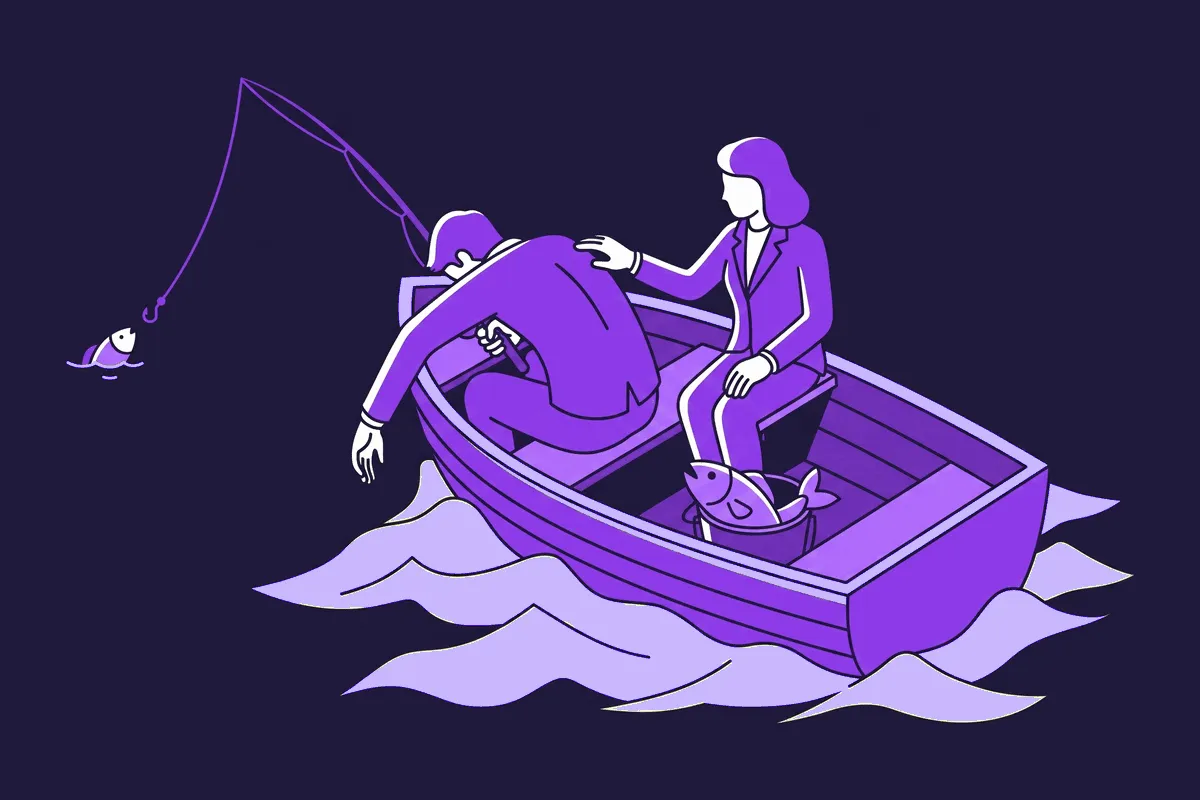
The fastest way to recruit users for user interviews is to stop looking outside first. Pull the list from your own product: people who hit a specific event this week, not a demographic panel.
Ask at the moment their behavior is fresh, in one line, for one short call. Reserve outside recruiting (panels, screeners, incentives) for the gaps your own base genuinely can’t fill.
That’s the whole shift. Everything below is how to run it.
Most recruiting advice hands you a longer list of channels to try. More Slack groups. More subreddits. Another panel vendor.
That’s the trap. You don’t have a channel problem.
You have a timing problem, and it’s been getting worse.
Why recruiting broke in 2025 and 2026
Ask a researcher how recruiting is going this year and you’ll hear the same story with different nouns.
One UX research lead described it plainly: their team had seen “up to 10 percent drops” in recruiting effectiveness, alongside “a huge increase in no shows for all remote face time research” and survey responses that just stopped coming back.
Another product team called it “the unavoidable user recruitment effort and hassle” every single time they needed to talk to someone, with scheduling as the worst part.
That’s not one bad quarter. It’s the whole system straining.
Some of the strain is old and just never got fixed. Nielsen Norman Group’s foundational research on recruiting test participants found an average no-show rate of 11 percent, with teams spending over an hour of staff time per participant recruited, and a quarter spending more than two hours.
That benchmark is over two decades old. It’s still the number research ops teams reach for, because nothing has replaced it.
A 2026 NORC literature review found fraud rates of 15 to 30 percent across market research, spiking to 45 percent on some platforms. A cold panel isn’t just slow anymore. Some of it isn’t even a person.
Some of the strain is new. Generic incentives don’t cut through the way they used to. Inboxes are noisier. And the pool of people willing to give a stranger 45 minutes for a gift card keeps shrinking.
So what’s the actual fix?
The turn: recruiting is a timing problem, not a sourcing problem
Here’s the assumption worth killing: that the right participant is out there somewhere, and your job is to go find them.
For most product questions, that’s backwards.
The person who can tell you why the onboarding flow confuses people isn’t a stranger from a panel. They’re the customer who hit that exact screen two hours ago, still annoyed about it, still able to describe it in detail.
You don’t need to source them. You need to catch them.
The best participant for almost any product question is already inside your product, right now, doing the thing you want to ask about.
That reframes the whole job. Instead of building a wider net, you build a narrower trigger: the specific event, the specific segment, the specific moment when asking costs them almost nothing because the experience is still warm.
How to recruit user interview participants from inside your product
Start with the list you already have, not the one you have to go build.
- People who just hit the friction point. Someone abandoned the flow you’re studying an hour ago. Ask them today, not in a quarterly survey. The memory is still sharp.
- Your power customers. The 5 to 10 percent who use features nobody else touches know things your dashboard can’t show you. They’re also the most likely to say yes, because they already care.
- Recently churned or downgraded accounts. Painful to ask, and the most honest group you have. They no longer need to be polite.
- A segment defined by behavior, not demographics. “Signed up 30 days ago, never invited a teammate” beats “manager, 25 to 34” every time. Behavior predicts what they’ll tell you; a job title doesn’t.
The trigger matters more than the channel. A one-line, in-app prompt shown the moment someone completes (or abandons) the action you’re studying beats any cold outreach, because it’s timed to relevance instead of your calendar.
Continuous-discovery teams that automate this well link the invite directly to the behavior: a pop-up that only fires after a specific action, not a blanket banner everyone sees. Product Talk’s breakdown of real teams’ recruiting tool stacks shows exactly how they wire it up.
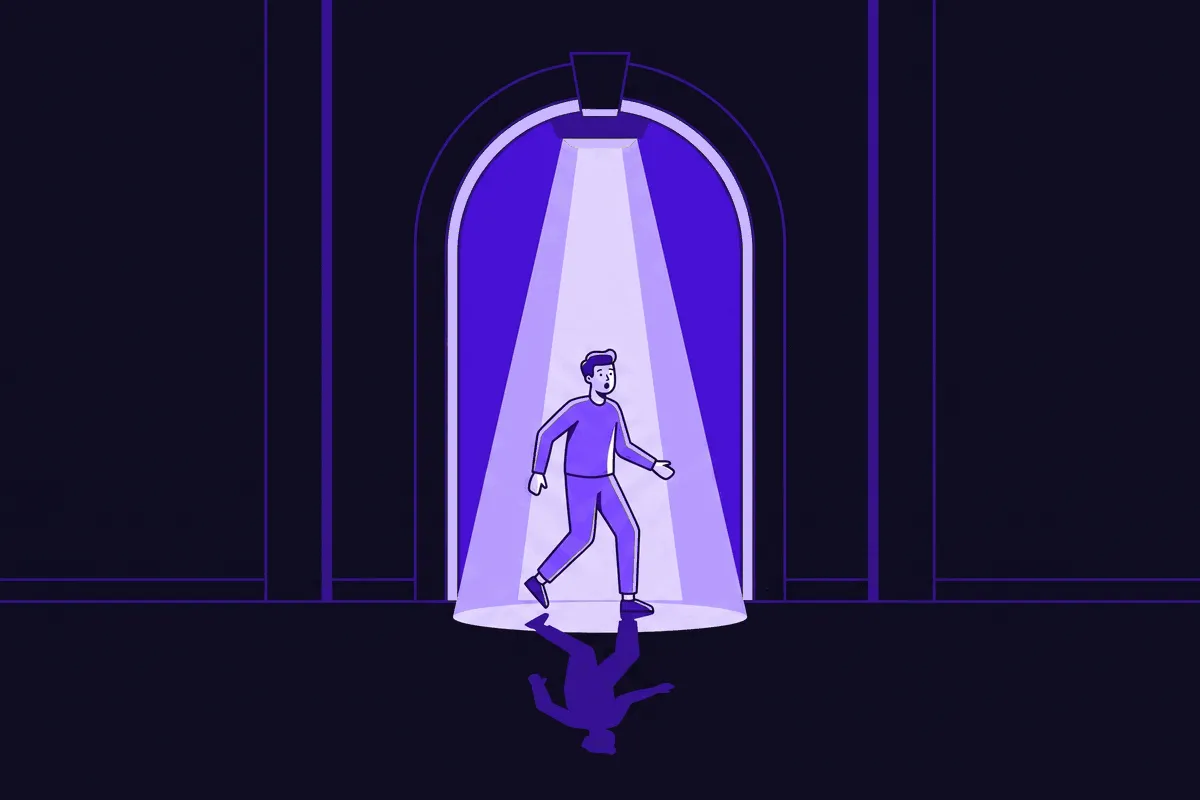
Trigger the invite off the event itself: right after someone hits the paywall, abandons setup, or cancels. “You just did X, got 15 minutes to tell me why?” beats any generic “we’re recruiting for research” message, because it proves you already know something about them.
Before any of this works, you need clarity on who you’re actually trying to reach. A vague target produces a vague invite list. If you haven’t nailed that down, our guide to defining your ICP without sales data is the fastest way to get specific.
How to book them so they actually show up
Getting a yes is only half the job. The no-show is where the week actually dies.
Timing the invite is one lever. Timing the booking is a separate one, and it’s the part almost nobody optimizes.
One researcher’s fix, straight from the trenches: “I prefer to book them Monday.” Early-week sessions, booked with less runway between the yes and the call, show up more reliably than a Thursday slot squeezed in a week and a half out. The longer the gap, the more life gets in the way.
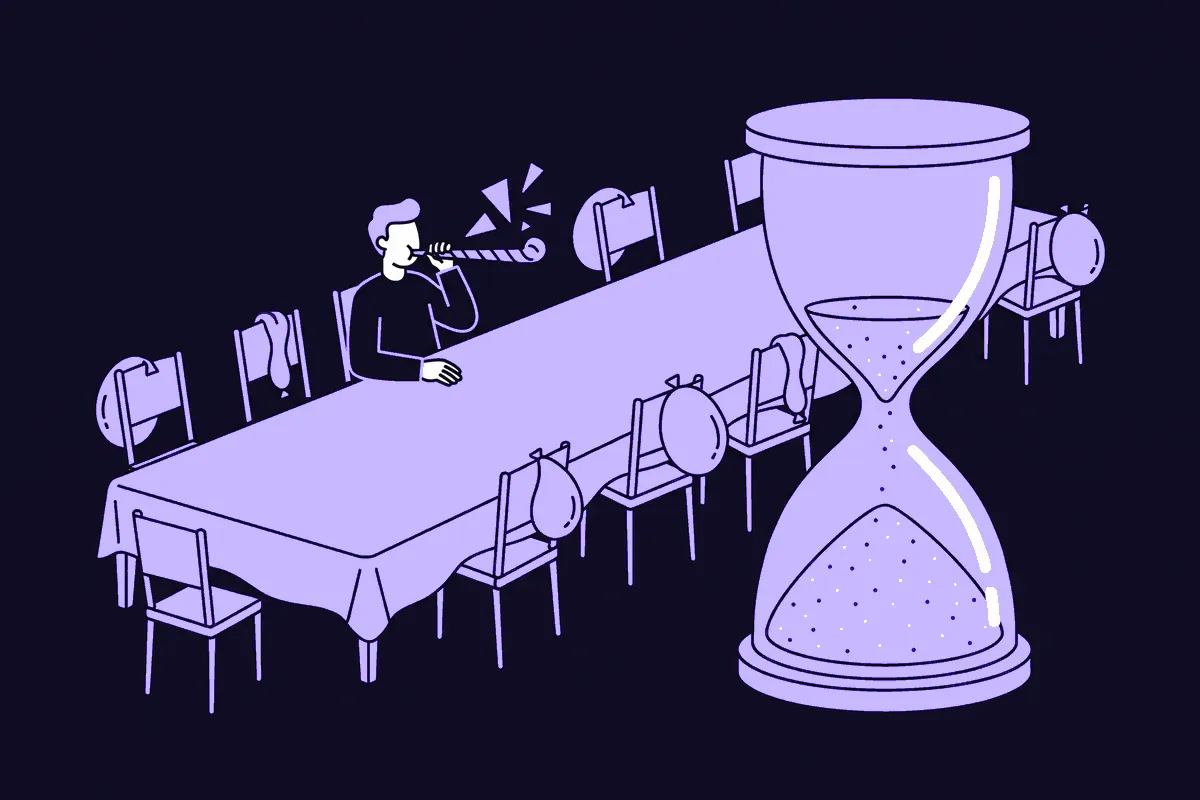
Book sessions for the earliest reasonable slot, not the one that’s convenient for your calendar three weeks out. Send a reminder the day before and again an hour before. Every extra day between “yes” and “the call” is another chance for something else to win.
Incentive size matters too, but not the way most teams assume. That same NNGroup research found high-level professionals were paid nearly four times what non-professional participants received, on average.
If you’re recruiting a busy B2B buyer or a technical lead, a consumer-panel incentive won’t move them. Price the ask for the seniority of the person, not a flat company rate.
And keep the ask itself small. Fifteen minutes gets a yes far more often than an hour does, and a specific question (“walk me through the last time you tried to export a report”) beats an open-ended one every time.
When you still need to go outside your product
Recruiting from inside your product has one obvious limit: it only works once you have customers using it.
Pre-launch validation, a brand-new market segment, or a feature aimed at people who don’t exist in your product yet all still need outside recruiting. So does research into why prospects who never signed up chose a competitor instead.
In those cases, a screener and some form of panel or outreach is still the right tool. Just go in with the numbers above: budget for an 11 percent no-show rate at minimum, price incentives by seniority, and screen hard enough that you’re not paying for a bot.
Your own customer base is the fastest list to recruit from, but it’s also the most self-selecting one. Pull deliberately from churned and inactive accounts too, not just your happiest logins.
Once you’ve got the right people booked, what you ask them matters as much as who they are. Our breakdown of how to ask questions that get the truth instead of polite lies is the natural next step once the calendar’s actually full.
Frequently asked questions
How many participants do you need for a user interview study?
Fewer than most teams assume. Classic usability research finds that a small handful of well-chosen participants surfaces the large majority of a study’s findings. The bottleneck was never sample size. It’s getting even a handful of the right people to actually show up, which is exactly why timing beats sourcing as a strategy.
How do you recruit B2B research participants when your audience is niche?
Start inside your own customer or trial base first. A specific job title using a specific feature is a far easier ask than a cold panel trying to match the same criteria.
When you do need to go external, niche professional communities and direct outreach usually outperform general panels for hard-to-find roles. Expect the process to take longer and the incentive to run higher.
How do you reduce user interview no-shows?
Shrink the gap between booking and the session, confirm early in the week when possible, and send two reminders. Keep the ask itself short (15 minutes, one clear topic) so saying yes costs the person almost nothing. None of this gets no-shows to zero, but it consistently beats the roughly 1-in-9 industry benchmark.
Recruiting was never the real problem
The panel isn’t broken because panels stopped working. It’s broken because the entire model assumes your best participant is a stranger you haven’t met yet.
She isn’t. She’s already logged in.
Stop building a wider funnel. Build a sharper trigger.
Ask sooner. Ask smaller. Ask the person already standing in the room.
Sometimes you need that conversation with dozens of customers at once, and there’s no way you’re personally getting to all of them this week.
That’s the exact gap AI-moderated interviews close, and it’s where hollie earns her keep. She has the real conversation with each one, asks the follow-up you would have asked, and brings the answers back ranked, with the why attached. Try holito free for 14 days.
The Bottom Line
Stop sourcing strangers. Recruit from inside your product, at the moment their behavior is still warm, and book the session as early in the week as you can.
Reserve panels and screeners for the gaps your own customers genuinely can’t fill, and price the incentive for who you’re actually asking. That single shift turns recruiting from a week-long grind into an afternoon.