You’ve been told the secret to cold traffic is a killer hook.
A ‘curiosity gap’ or a ‘pattern interrupt’ that stops the scroll. So you implement it, but for your high-ticket offer, it falls flat.
The clicks might come, but the qualified leads do not. For more on why ads fail on cold traffic and how to fix them, see our guide on why your ads fail on cold traffic.
Let’s be clear:
That advice is dangerously oversimplified for your business.
I promise you that the reason these tactics fail is because a high-ticket sale is not an impulse buy. It’s a considered, complex decision that a single clever hook can never facilitate.
This article will dissect why the one-shot hook is a flawed model for complex sales.
We will explore the psychology of a high-stakes purchase, the critical need for trust, and present a more sophisticated, multi-stage approach that actually converts cold traffic into high-value clients.
The Fatal Flaw of the One-Shot Hook
The entire premise of a simple curiosity gap is to generate a click. That’s it. It’s designed to create a small, easily resolved question in the prospect’s mind.
But a high-ticket purchase isn’t driven by simple curiosity. It’s driven by a deep-seated need to fix a significant problem. The decision-making process is long and involves multiple stakeholders. Research indicates that customers for expensive products simply spend significantly more time researching and evaluating their options.
A hook designed to get a quick click is fundamentally misaligned with a buyer journey that can take weeks or months.
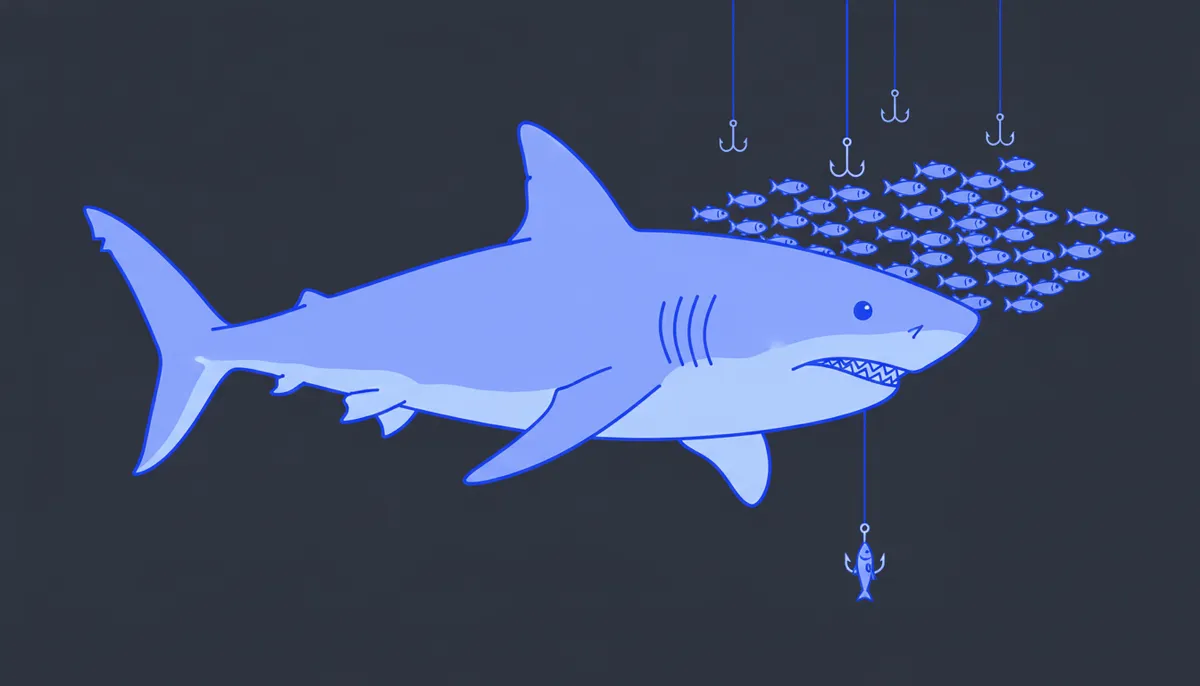
A curiosity gap works best for low-consideration products where the commitment is small. For a high-ticket offer, it attracts the wrong kind of attention. You get curious clickers, not committed buyers. You’re fishing for sharks with bait meant for minnows.
High-Ticket Sales: A Marathon, Not a Sprint
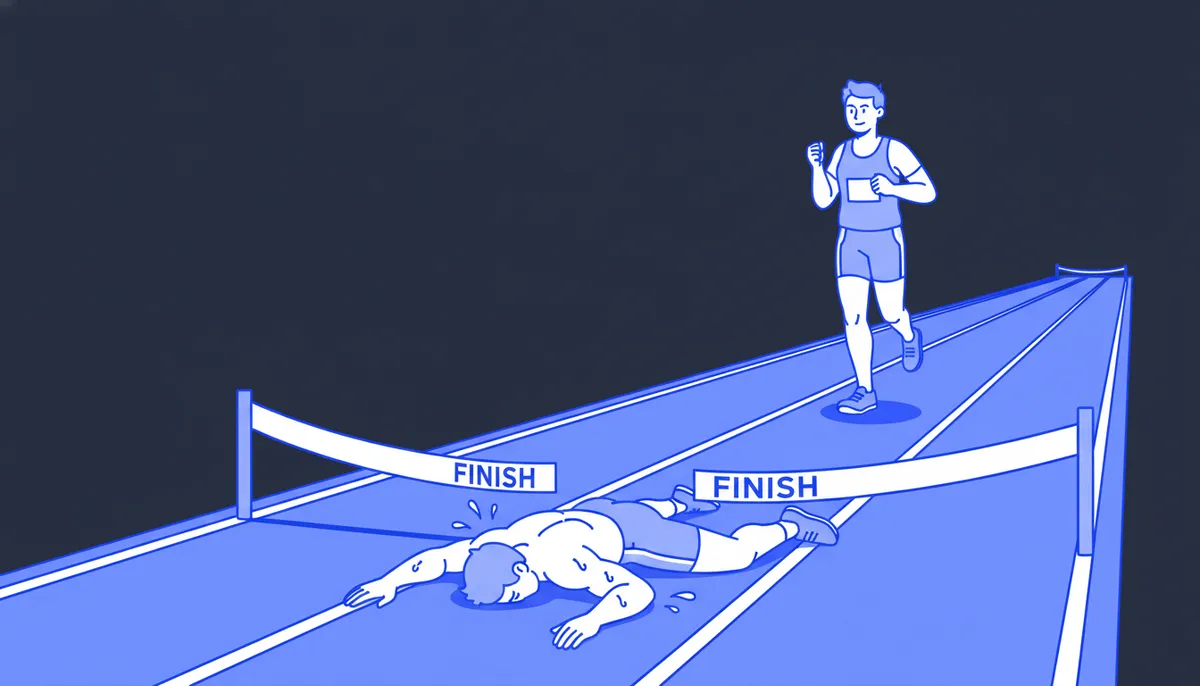
Selling a complex, expensive product to a cold audience is one of the hardest tasks in marketing. The conversion rates are unforgiving.
According to Ruler Analytics’ 2025 analysis of over 100 million data points, B2B Tech companies average just 1.5% conversion rates, while B2B eCommerce converts at 1.7%. These low rates aren’t failures. They’re the reality of complex, high-value sales.
Look at other forms of cold outreach for context.
Leads at Scale’s comprehensive 2025 study analyzing 10 million cold calls made between 2024 and early 2025 reveals that even with optimized timing and targeting, cold calling success rates remain challenging. The data shows that 27% of SDR time is wasted on bad data, and the best-performing cold outreach strategies still require 6-8 touches per prospect.
Meanwhile, Belkins’ 2025 study of 16.5 million cold emails sent throughout 2024 found that average reply rates dropped to 5.8% (down from 6.8% in 2023), with open rates falling to 31-32%. In B2B SaaS specifically, response rates hover around similar low single digits.
Does a single, clever ad hook sound sufficient to overcome those odds? Of course not. It’s a strategic error to think it would.
The Psychology of a $10,000 Decision
A high-ticket purchase is an investment, and it carries perceived risk for the buyer. A simple hook fails because it doesn’t address the core psychological barriers that prevent a sale.
Here’s what a high-ticket buyer needs:
Profound Trust Requirements
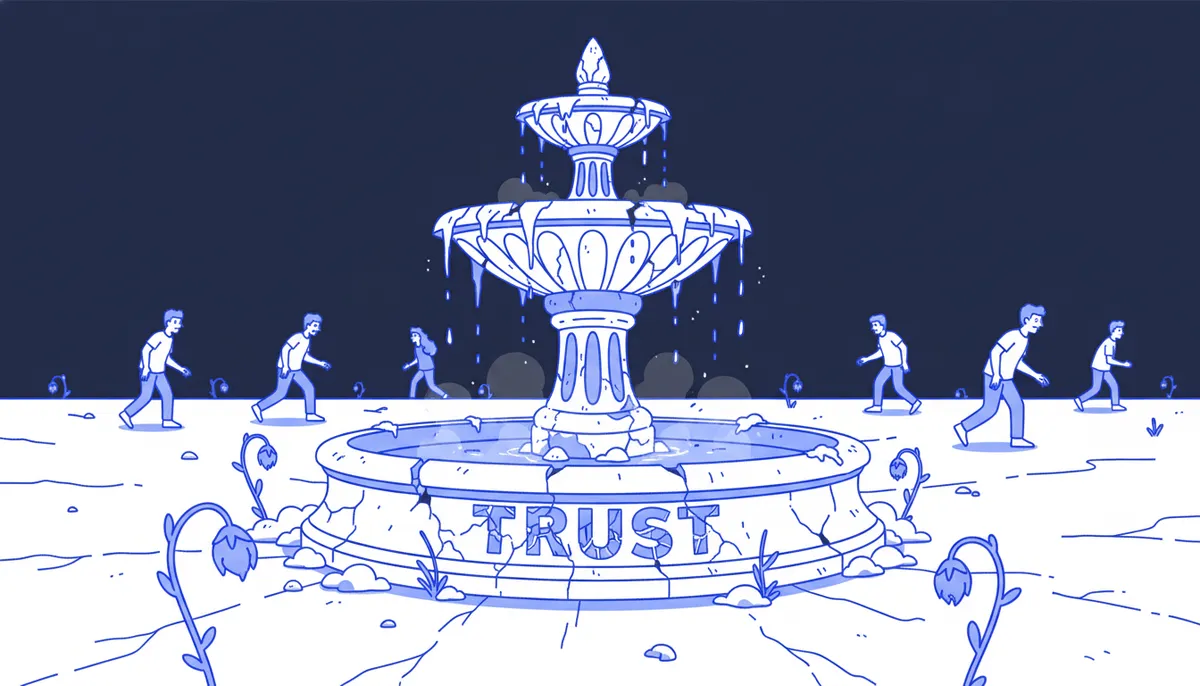
Trust is the currency of high-ticket sales. A cold prospect needs overwhelming proof that you are credible, your product is effective, and your company is reliable. This isn’t built with a clever headline. It’s built through consistent, value-driven engagement over time.
They need case studies, testimonials, detailed product specifications, and third-party reviews. A one-shot hook doesn’t provide any of this.
We are facing what the Edelman Trust Barometer 2025 calls a “crisis of grievance.” Based on 33,000 respondents surveyed in late 2024, 61% globally hold moderate to high grievances against institutions, and those with high grievances see business as 81 points less ethical. Cold audiences are more skeptical than ever. Earning their trust requires a strategy of education and demonstration, not just clever advertising.
Complex Problem Resolution
High-ticket items solve complex problems. The buyer needs to understand not just what your product does, but how it integrates with their existing systems, how it will be implemented, and what the true ROI will be. They might need to explore financing options, payment terms, and warranties.
Your initial ad can’t answer these questions. Its job is to start a conversation, not close a deal.
Your ad’s call-to-action shouldn’t be ‘Buy Now.’ It should be ‘Download the Guide,’ ‘Watch the Webinar,’ or ‘Get the Case Study.’ Trade value for their attention and contact information. This is the first step in a longer, trust-building process.
The Better Model: A Multi-Stage Trust Gauntlet
Instead of a one-shot hook, you need to design a multi-stage funnel that systematically builds trust and educates the prospect.
Here is the new model:
-
The Unpredictable Hook: The ad’s job is still to get attention, but its goal is different. It must identify a core pain point and promise a valuable insight, not a product. It hooks them into your ecosystem.
-
The Value Exchange: You deliver on that promise with a high-value lead magnet. This first transaction, even if it’s just an email for a PDF, proves you can deliver value and begins the trust-building process.
-
The Nurture Sequence: A series of emails and retargeting ads provide further education. You share case studies, answer common objections, and demonstrate expertise. You are becoming a trusted advisor.
-
The Qualified Ask: Only after you have built significant trust and demonstrated your value do you ask for a high-commitment action, like a sales call or a demo.
This approach aligns with the buyer’s psychology. It respects their decision-making process and builds the deep-seated trust required for them to make a significant financial investment.
The Bottom Line
Stop using tactics designed for selling $20 t-shirts to sell your $20,000 service. Simple ‘curiosity gaps’ fail for high-ticket offers because they ignore the profound trust requirements and extended decision cycles of a complex sale. The right approach is a strategic, multi-stage funnel that prioritizes education and trust-building over a quick click. Build a relationship first, then ask for the sale.