Let’s get one thing straight. Generic marketing is dead.
Blasting the same message to everyone is a surefire way to burn your budget and get ignored.
You know you need to personalize.
But the old methods are slow, expensive, and built on pure guesswork.
I promise you, there is a better way.
There is a new playbook.
It uses AI to move from static, outdated personas to living, breathing models of your customers.
We are going to break down the shift from traditional buyer personas to dynamic AI personas.
Then we will explore the final frontier: AI Digital Twins of a Customer (DToC).
Why Traditional Personas Are Broken
The old way of building buyer personas is fundamentally flawed.
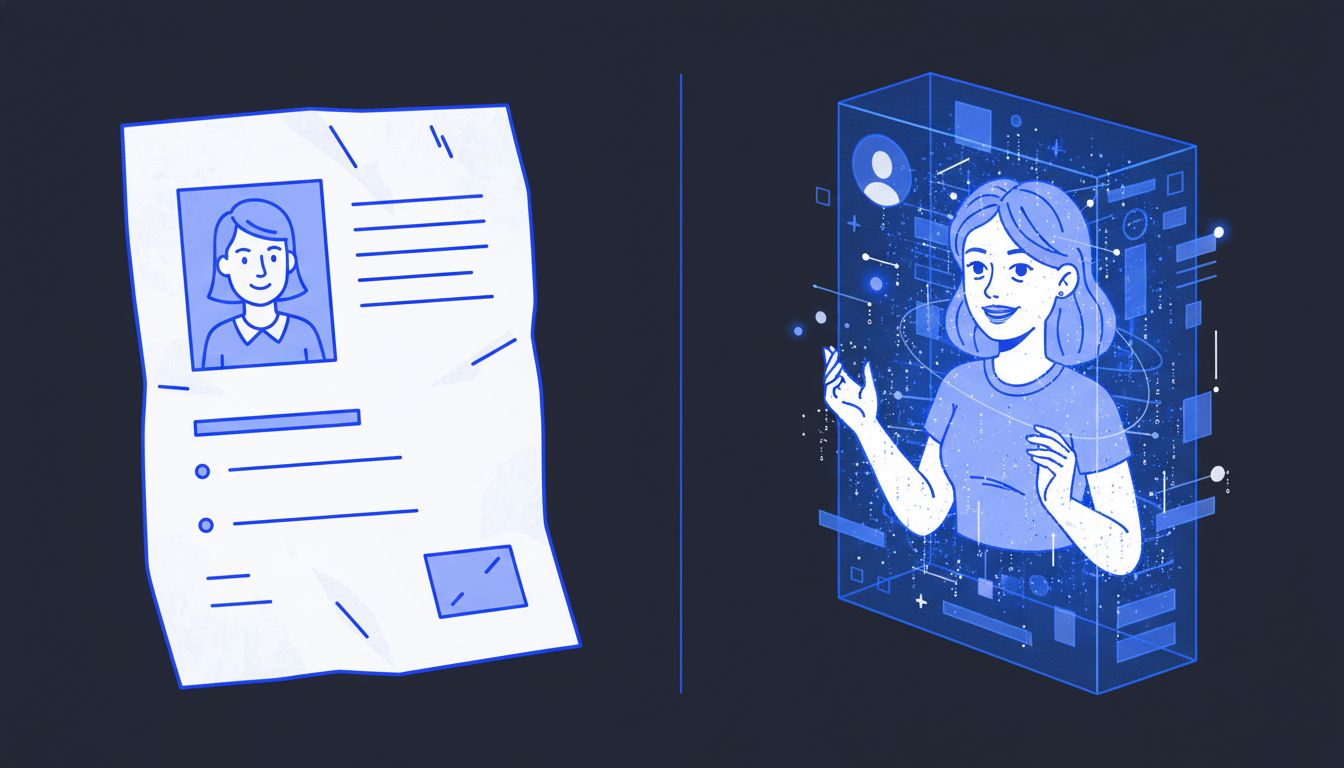
You sit in a room. You brainstorm some characteristics. Maybe you conduct a few interviews and slap a stock photo on a PDF.
That document, named “Marketing Mary,” sits in a folder. It’s untouched and useless. For a data-driven approach to understanding your audience, see our guide on AI psychographic mapping.
It’s a snapshot in time.
It doesn’t update with new data. It doesn’t reflect changing market conditions.
And it fails to account for the fact that customers are not monolithic archetypes.
This approach is an exercise in creative writing, not a tool for driving revenue. It’s a waste of time.
The Rise of AI-Powered Personas
Now, let’s talk about execution.
AI-powered personas are not static documents.
They are dynamic profiles. They are generated from massive amounts of real data like browsing behavior, purchase history, social media interactions, and sentiment analysis.
This isn’t guesswork.
This is data-driven insight at a scale no human team could ever achieve.
Data, Not Demographics
Here is the deal: AI doesn’t care about your assumptions.
It identifies patterns and trends that human analysis would miss.
Fast-growing companies already get it.
They generate 40% more of their revenue from personalization because they’re not just guessing what customers want.
They are using data to predict it.
The market has spoken. 80% of consumers are more likely to do business with companies that offer personalized experiences.
This isn’t a preference. It’s an expectation. Actions over words.
An AI Persona represents a hyper-realistic archetype of a customer segment, built from thousands of data points. A Digital Twin, which we’ll cover next, is a 1-to-1 replica of a single, real customer.
The Next Frontier: AI Digital Twins (DToC)
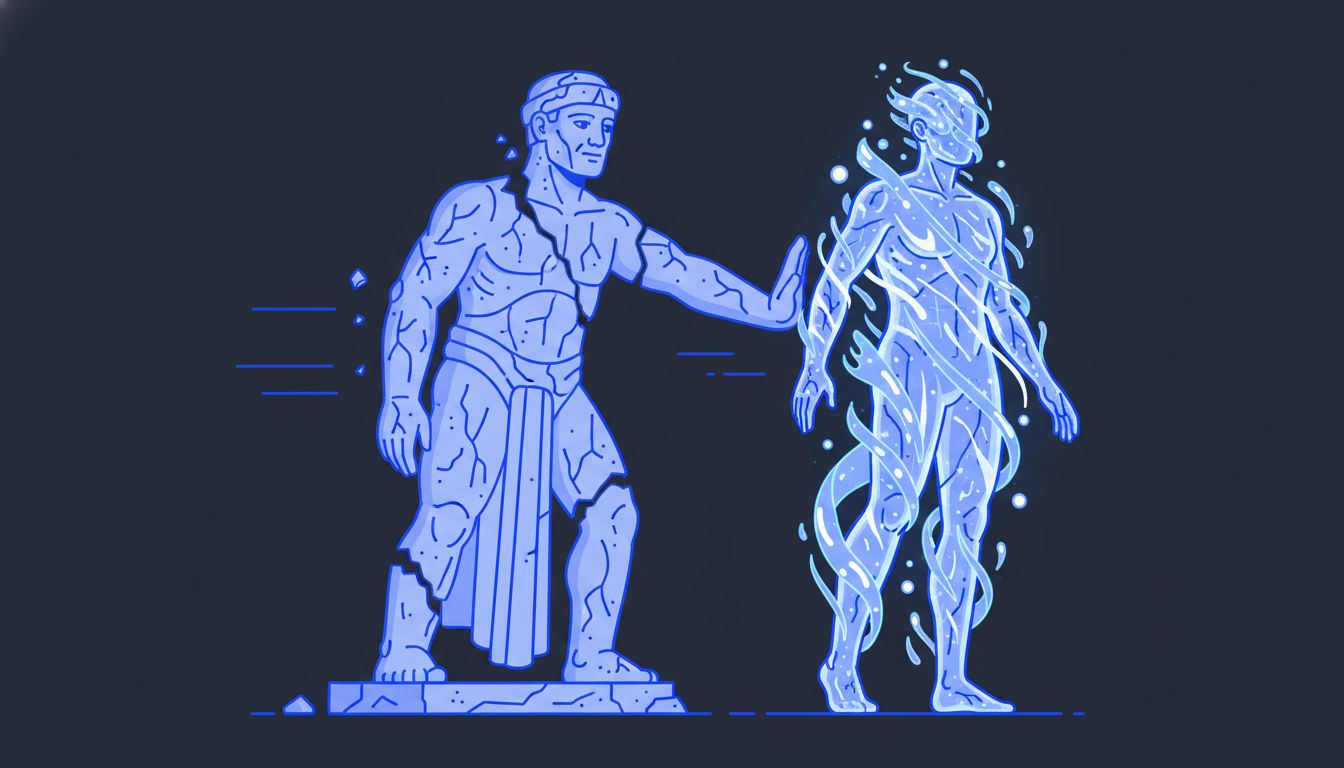
If AI personas are a massive leap forward, Digital Twins of a Customer (DToC) are a jump to lightspeed.
A DToC is a dynamic, virtual replica of an individual customer.
It is continuously updated with real-time data. It reflects that person’s current state, not just their past actions.
Think of it as a living avatar of your customer inside your system.
It models their context, preferences, and decision-making patterns with terrifying accuracy.
The global market for this technology is exploding for a reason.
It’s projected to hit over USD 155 billion by 2030. This isn’t a trend; it’s a fundamental shift in the ecosystem.
This is the end of marketing as you know it.
It’s the beginning of a new era of one-to-one engagement at scale.
Real-World Examples of AI Digital Twins
This isn’t theory. This is execution.
The biggest players in the game aren’t waiting for permission.
They’re building the future, and Digital Twins are a core part of their infrastructure.
Let’s look at how titans like Unilever and BMW are deploying this tech right now.
Unilever: From Supply Chain to Consumer Shelf
The problem was clear: Unilever manages a massive, complex global supply chain. A single disruption can cost millions. They needed to move from reacting to problems to predicting them.
The implementation was direct. They built digital twins of their factories.
These virtual models simulate every part of the production line.
This allows them to test new processes, predict maintenance needs, and optimize energy consumption without disrupting real-world operations.
The challenges were significant. The biggest hurdle is data integration.
Pulling real-time data from thousands of sources, from factory sensors to point-of-sale systems, is a massive engineering lift. It requires a complete overhaul of siloed data infrastructure. That’s not a small task.
The results speak for themselves. The ROI is undeniable.
In their factories, digital twins have led to significant reductions in waste and energy use. They’re not guessing what the market wants; they’re simulating it.
Building an effective DToC requires a colossal, unified dataset. It’s not just about purchase history. It’s about real-time behavioral signals, contextual data, and even supply chain inputs. Data isn’t just important; it’s the only thing that matters.
BMW: Engineering the Ultimate Driving Machine
The problem was scale and cost. Designing and building a car is a multi-billion dollar, multi-year process. Late-stage design flaws are catastrophic for the budget and timeline.
They needed to front-load the testing and validation process.
The implementation is ambitious. BMW is building a complete digital twin of its entire factory ecosystem.
Every car, robot, and human process will have a virtual counterpart. This allows them to simulate and optimize the entire production process before a single screw is turned in the real world.
Now, extend that to the customer.
They are using this same technology to create digital twins of the driver’s experience.
By modeling driver behavior, preferences, and interactions with the vehicle’s systems, they can simulate how new features will be received.
Think about it. They can test a new infotainment UI or a driver-assist feature on a million virtual drivers before writing a single line of production code.
The challenges are immense. The computational power required is enormous.
Simulating an entire factory in real-time is a high-performance computing challenge.
Furthermore, getting accurate data from vehicles without violating customer privacy requires a rock-solid ethical and technical framework.
The results justify the grind. The payoff is massive.
BMW projects this will make their planning processes 30% more efficient.
It cuts down on rework, accelerates development cycles, and allows for a level of product customization that was previously impossible. They’re not just building cars. They’re building a continuous feedback loop between the driver and the factory.
Implementing the New Playbook
So, how do you put this into action? It’s about building a new operational muscle.
Step 1: Unify Your Data
Your data is probably a mess.
It’s siloed in your CRM, your analytics platform, and your email service.
The first step is to bring it all together.
A DToC is only as good as the data that feeds it. Clean, unified data is the foundation of everything that follows.
No shortcuts.
You don’t need to model every customer at once. Identify your highest-value segment and start there. Prove the ROI, then scale.
Step 2: Simulate Everything
Once you have a DToC, you can stop guessing and start simulating.
Before you launch a campaign, you test it against your digital twins.
How will this persona react to this ad creative?
What subject line will drive the highest open rate for this segment?
You can run thousands of what-if scenarios without spending a dime on actual ad buys.
This is where you find the winning message before you ever go to market.
But a twin is only as sharp as the real voice behind it. That’s where hollie comes in. holito’s AI agent has real conversations with your actual customers and brings back their exact words, questions, and objections, ranked. Build your models on what people really said, not a guess. This is how you de-risk your marketing budget.
Step 3: Execute with Precision
The insights from your simulations feed directly into your execution.
You can tailor content, offers, and entire customer journeys to the individual, not the demographic bucket they fall into.
This level of precision is what drives measurably better conversion rates when you deliver the right message to the right person at the right time.
With great power comes great responsibility. The use of DToCs requires a rock-solid commitment to data privacy and ethical marketing. Transparency with your customers is not optional; it’s a prerequisite for trust.
The playbook has changed.
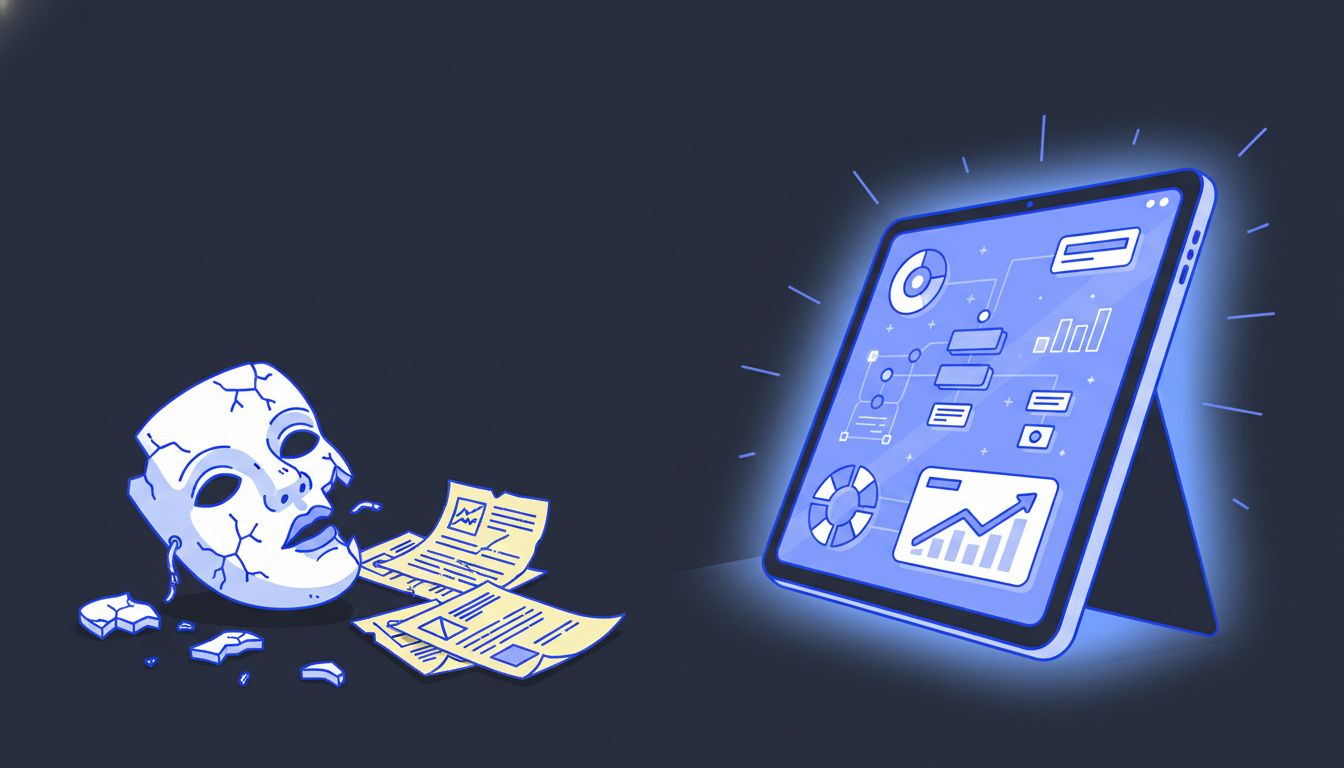
Static PDFs and wishful thinking are out. Dynamic, data-driven simulation is in.
The tools to understand your customer with perfect clarity are here.
The only question is whether you have the will to use them.
The Bottom Line
The shift from traditional personas to AI Digital Twins is not an incremental improvement. It is a fundamental transformation of marketing strategy. It moves you from a reactive posture, analyzing past behavior, to a predictive one, modeling what your customers will do next. But every model is only as good as the real voice underneath it. Stop guessing. hollie has real conversations with your customers and brings back the words, questions, and objections that actually drive them, ranked, so your next campaign starts from the truth.